Diesen Beitrag auf Deutsch lesen →
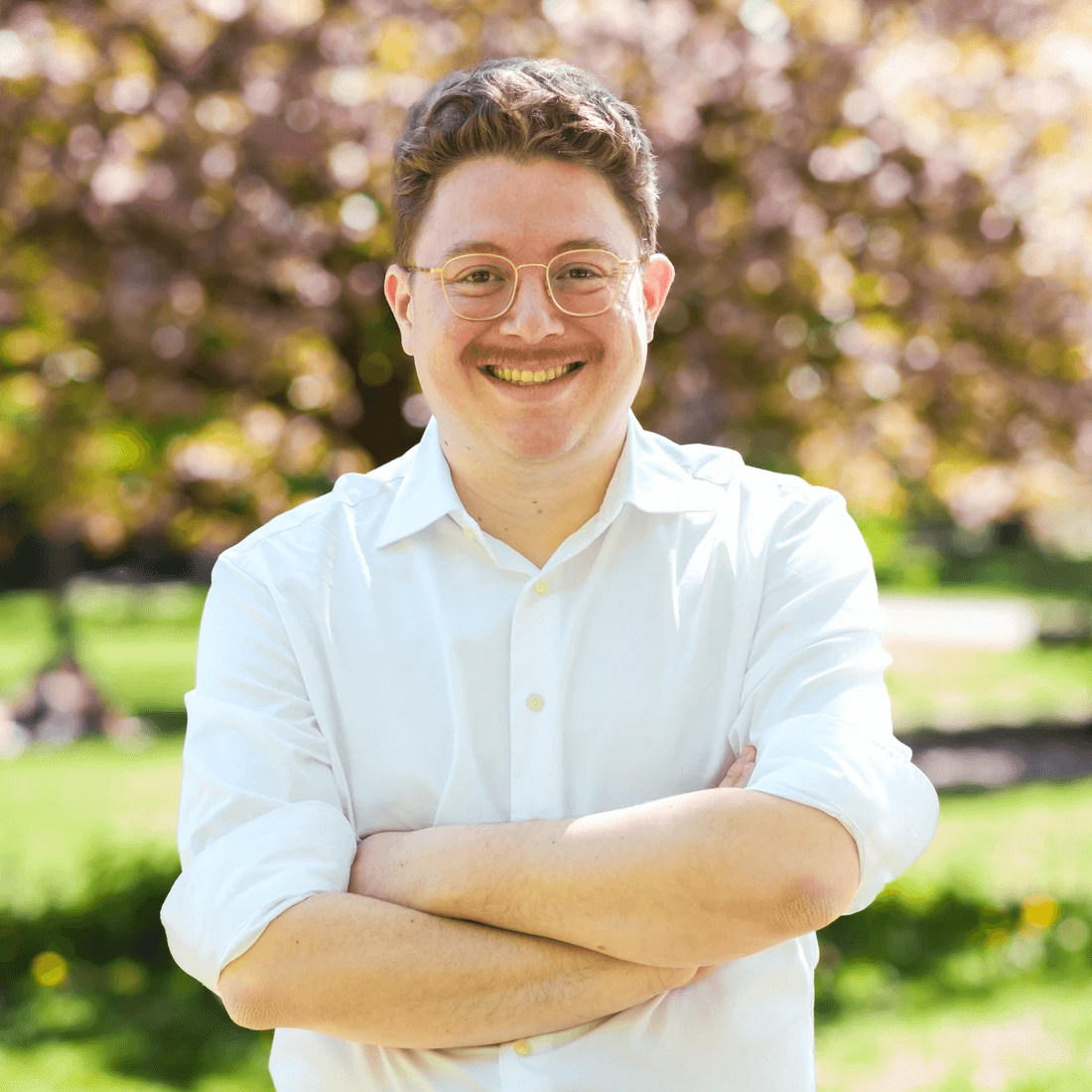
Daniel Eliasson
District councillor · Steglitz-Zehlendorf
14 September 2024, edited and shortened
Vinya Mehta: You’ve just come from a lively workshop discussion with participants of our festival. It was about the reasons for building alliances, possible obstacles along the way and the first steps. Why do you think we need Muslim-Jewish alliances?
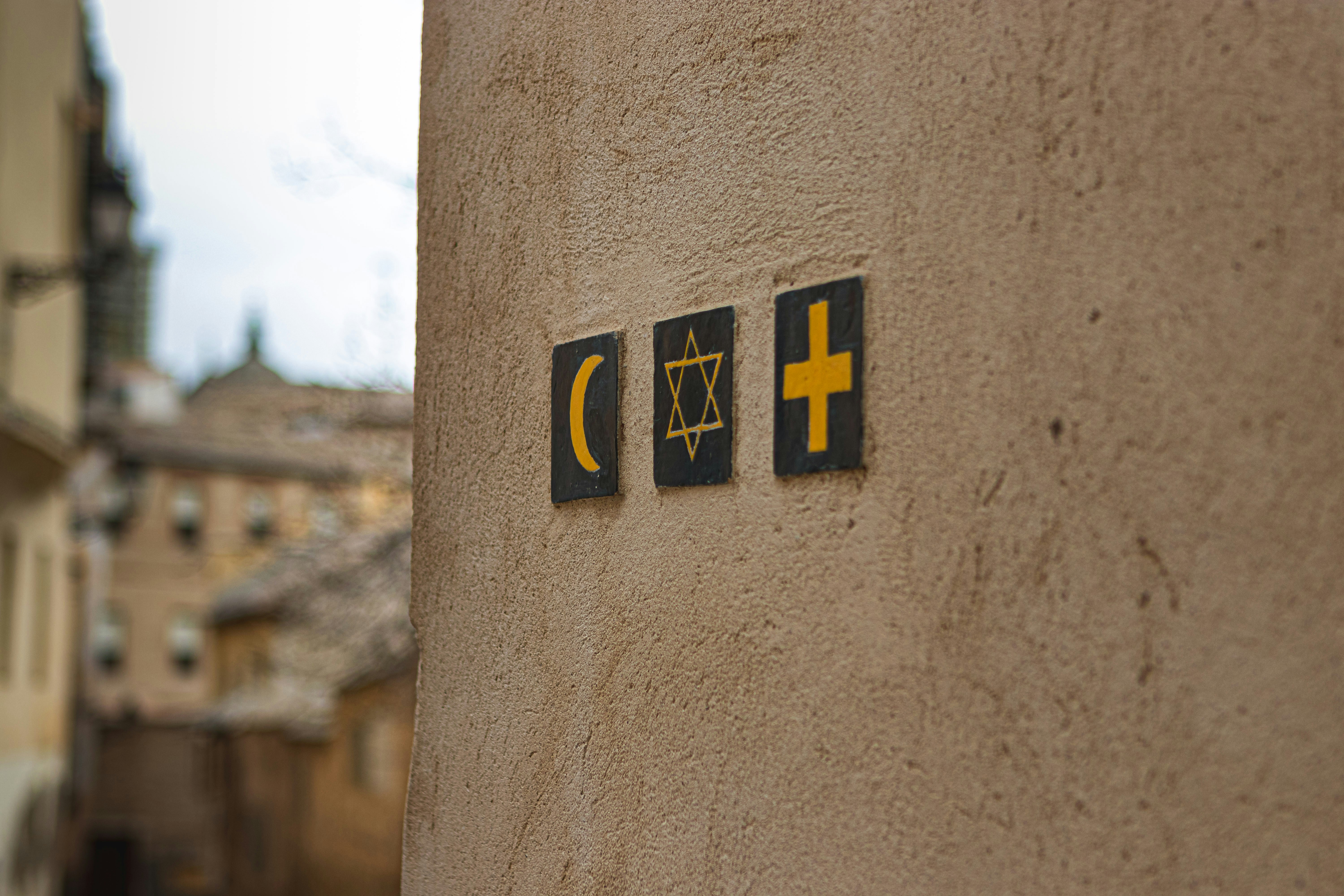
Daniel Eliasson: Given the situation in this country right now, every minority really has to look around, and not just look around but actually grab hold of anything that looks remotely like an ally. It is getting harder and harder to exist as a minority in Germany, and in some federal states we can already see that very clearly. I have less and less understanding when minorities waste the precious time they have laying into each other. We need alliances because examples like these of course have a strong effect within our own communities, but also because they have an effect on the outside. They are a very important building block for a new German identity that we want to create. For everyone working towards progressive goals, the aim is above all to move away from ethnic nationalism and towards an understanding of Germany as a post-migrant society. These are the examples we need so that everyone understands that it works and, contrary to some loud voices, that multiculturalism has not failed.
Derviş Hızarcı: I also think that protecting minorities is becoming ever more necessary, and that at the same time it is getting ever harder to come together and to create and pool capacity and resources. As groups affected by racism, antisemitism and hate, we have no choice but to find each other. That also matters because it is an effective remedy against constantly being played off against each other. That dynamic not only weakens us, the people affected by antisemitism and racism, it also strengthens the others.
Vinya Mehta: We are seeing Muslims and Jews being played off against each other particularly strongly right now. And this dynamic is growing.
Derviş Hızarcı: With Muslim-Jewish alliances, there is the added problem that these two groups in particular are seen as two monolithic blocs that never got along and can’t get along now. In that sense, the majority society shows more solidarity with one side and excludes the other. We must not play along with this game. We have to expose it and fight it. Coming together can work against antisemitism and racism, both in the non-Jewish, non-Muslim majority society and against resentment, prejudice and even hate within our own communities. There are really only good reasons for Muslim-Jewish alliances, and when something has so many good reasons, you have to tackle it and make it real.
Vinya Mehta: In the spirit of “making it real”, you also used your friendship as an example in the workshop. You described the relationship between two individuals as the smallest example of an alliance. Can you say more about that?
Derviş Hızarcı: Alliance is always such a big word. In our case, it is simply a friendship that has grown. With and through humour, empathy, reaching out to each other, opening up, letting the other into your world and accepting each other’s invitation to step into theirs. It’s that willingness.
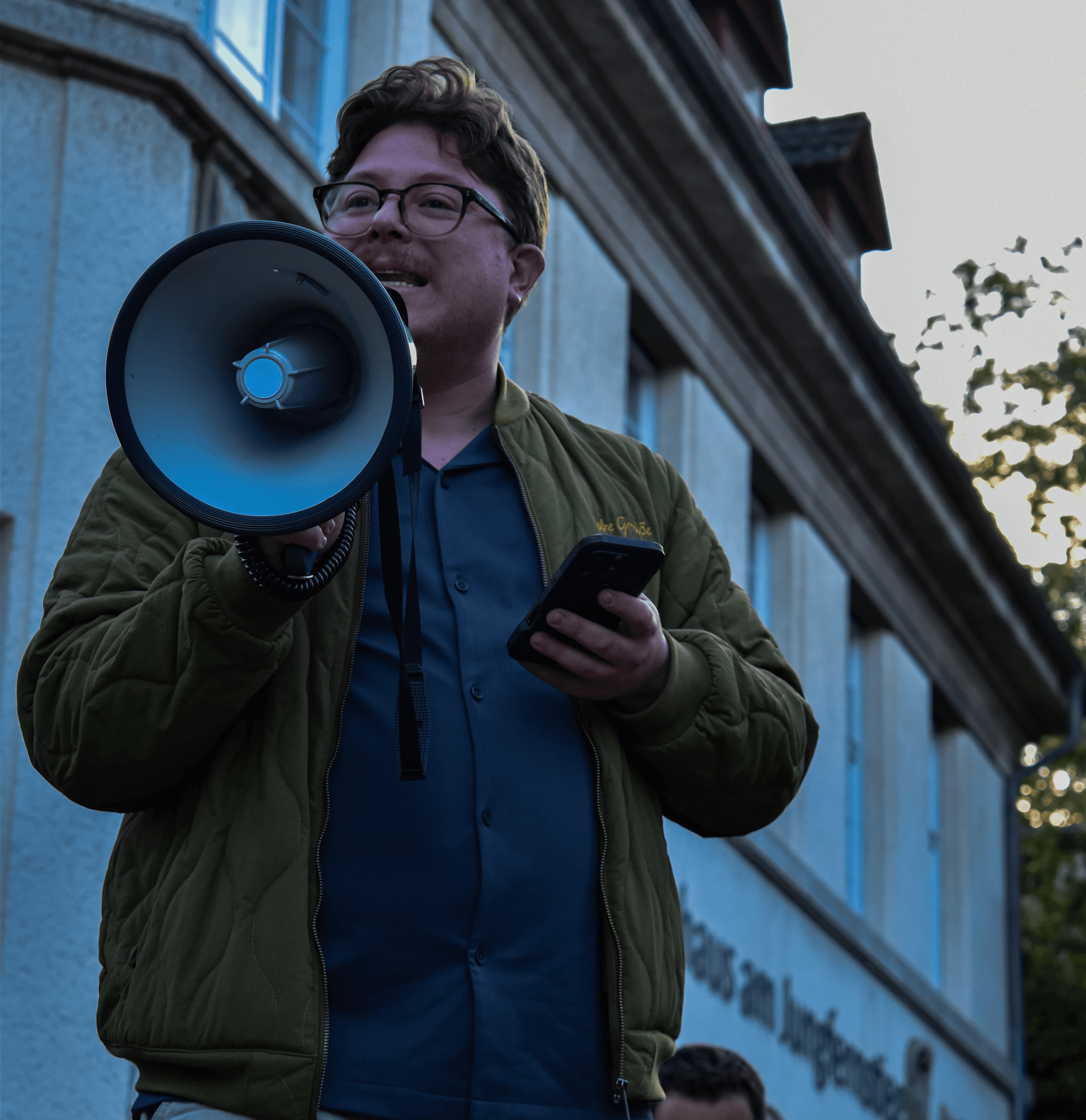
Daniel Eliasson: But understanding shared goals is also crucial. On a small scale, in projects for KIgA for example, but also on a large scale, for society and how we want it to be. And the shared will to somehow make it happen. That mix is what makes it work.
Derviş Hızarcı: We are not only different in this respect, he in his “Jewishness”, me in my “Muslimness”, whatever that may mean for us, but also in other views. We disagree on some political and social issues, but we value those differences, respect them and tolerate each other all the time. We need to make that possible again and allow it more. Accepting the same opinion is very easy. Acceptance is about putting up with something, taking it on, allowing it and finding a way to deal with it. Positively, fairly and as equals. That’s what matters!
First of all, you don't always have to start with the most difficult topic when it comes to dialogue, encounters or alliances.
Daniel Eliasson
Vinya Mehta: What has stayed with you from your experience in political education when it comes to dealing with differences and developing acceptance as equals? What would you like to pass on to others?
Daniel Eliasson: First of all, you don’t always have to start with the most difficult topic when it comes to dialogue, encounters or alliances. I don’t think it’s productive to bring together Palestinians and Muslims who are interested in the topic with Jews and say: “Okay, who’s right in the Middle East conflict?” I think that’s nonsense. Something I’ve experienced quite often is that Derviş talks for two hours about KIgA’s work, the dialogues, the projects and the work on alliances, and then someone raises their hand and says: “Yes, but what is your position on Israel’s right to exist?” And I think: were you listening? Were you listening for the last two hours? It has to work in both directions. You shouldn’t start by trying to tease out where there’s something problematic and where the disagreement lies. First you have to look for what you have in common. That’s the foundation, that’s where it has to start. Of course you then have to talk about what divides you too. But for that you first need a basis of common ground, so that what divides you doesn’t immediately become what defines the relationship you’re trying to build.
Derviş Hızarcı: I think we also have to be clear that you don’t enter a dialogue to convince, but to be convinced. Even if you want to talk about the so-called Middle East conflict, as Daniel said, you shouldn’t start by demanding a declaration of loyalty. Instead, first listen and find out why the person might think differently, or even wrongly and problematically. I need to know where I’m starting from. In our work we have very often found that people who initially had reservations, false information and sometimes even nasty attitudes did actually question themselves again. Empathetic meetings, debate, space for reflection, but also well-thought-out exercises and methods enabled them to leave problematic positions behind. It is possible to break up one-sided perspectives and black-and-white thinking.
Vinya Mehta: In the dominant discourse, which portrays Jewish and Muslim people and their interests as homogeneous and incompatible, Muslim-Jewish alliances are hard to imagine. Which experiences strengthen your conviction that more cooperation is possible?
Derviş Hızarcı: We don’t believe in something we haven’t experienced yet. We believe in and practise something we know works. Many examples show us that there is another way: it was Jews and Muslims who got on bikes together and rode tandem, who shared a flat, who travelled far and in doing so built and formed Muslim-Jewish alliances. It’s also the Jews and Muslims who once went to a mosque or synagogue together or celebrated a holiday at home. For me, this very personal, individual level is the highest level. There are many, many encounters that have turned into friendships, and in some cases people who were clearly antisemitic before became committed volunteer facilitators fighting antisemitism after longer periods of exchange. Empathy, sharing knowledge, building tolerance for contradiction, showing interest and being willing to understand: all of this can achieve a great deal and help fight hatred.